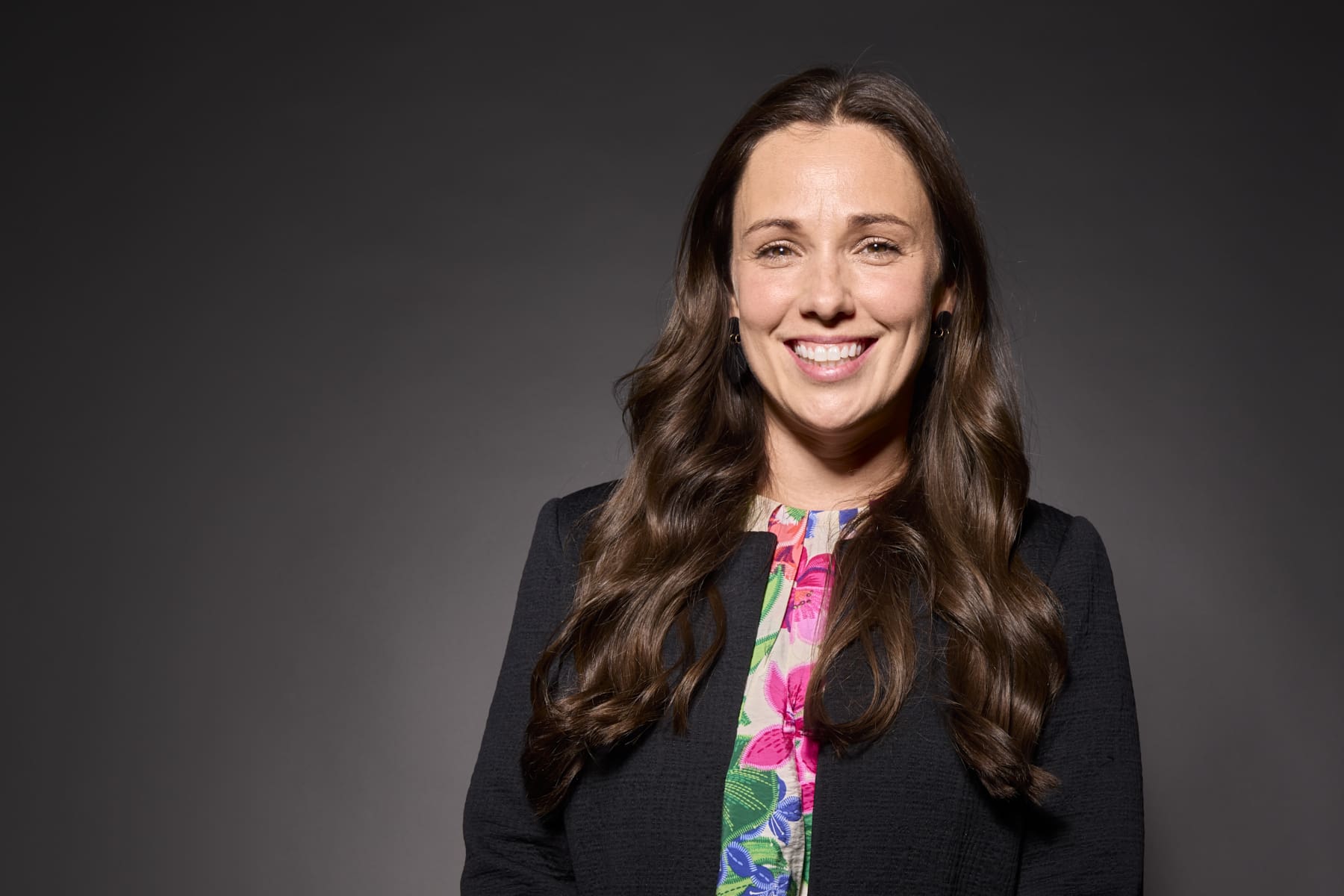
How to Look Confident in a Professional Headshot
Almost every client tells me the same thing before we’ve even scheduled a date: they’ll book once they feel ready. Once the promotion is official. Once they’ve lost the weight, fixed the haircut, gotten more sleep. It’s a reasonable-sounding plan. It’s also why a lot of talented people still use a photo from three roles ago on the platform where new clients decide, in about the time it takes to glance at a phone, whether to keep reading about them.
Here’s what that plan gets backward: confidence isn’t a precondition for a strong headshot. It’s usually the output of one.
The real fear isn’t the camera
People rarely tell me they’re afraid of being photographed. What they’re actually worried about is more specific — that the photo won’t look like the person their colleagues and clients already recognize. That it’ll catch them mid-blink, or add ten years, or somehow make visible a doubt they’ve been carrying privately. That fear has nothing to do with vanity. It’s a completely rational response to a lifetime of bad evidence: driver’s license photos, conference-badge snapshots, the one where someone yelled “ready?” a half-second too late.
A professional session isn’t that. It’s not a longer, better-lit snapshot. It’s a different category of photograph, built around a different set of decisions specifically designed to produce the opposite of an accident.
What actually changes in the room
Confidence on camera isn’t manufactured by telling someone where to put their hands, though that’s part of the technical work. It shows up because someone who does it for a living handles the technical work, freeing the client to stop thinking about the camera. That’s the entire mechanism. Once a client isn’t managing their own face, their attention goes somewhere else — the conversation, the questions I’m asking about their business, the thing they’re proud of that week — and the photographs get more honest because of it.
This is also where a good photographer’s job differs from a stylist’s or a coach’s. I’m not there to teach anyone to project confidence. I’m there to control every variable that would otherwise make someone self-conscious, so their presence can show up on camera.
Why this matters more than people think
A headshot isn’t decoration on a LinkedIn profile. For many attorneys building a practice, founders raising money, and consultants pitching new clients, it’s real work before a single conversation happens. Someone searches your name after a referral call. A journalist needs a photo to run with a quote. A conference organizer is deciding who gets on the program. In every one of those moments, an outdated, low-quality, or visibly uncomfortable photo is working against you, whether or not you’re thinking about it.
That’s the actual cost of “I’ll wait until I feel more confident.” It’s not a delay. It’s months, sometimes years, of first impressions being made by a photograph that doesn’t reflect where you currently are in your career.
What a strong session looks like from the outside
A well-run headshot session solves for exactly one thing: a photograph that introduces you accurately and does its job wherever it’s used: LinkedIn, a website, a press bio, a speaker page. That means:
- Direction that removes guesswork. You shouldn’t have to know how to pose. That’s the photographer’s job.
- A short, focused session. A headshot doesn’t need an afternoon.
- A process that shows you the results as you go. Reviewing images together during the session, not days later through an online gallery, means you’re never guessing whether something worked.
- A photograph that looks like you on a good day, not a stranger wearing your clothes.
The bottom line
If you’re waiting to feel ready before you update your headshot, you’re solving the wrong problem. The photograph doesn’t need you to arrive confident. It needs a photographer who knows how to create the conditions for that confidence to show up on its own as you talk about your work.
That’s the version of you clients will meet before they ever pick up the phone. Make sure it’s accurate.
