How Much Does Commercial Photography Cost?
Ask three photographers what a shoot costs and you’ll get three different numbers. That’s not because one is overpriced — they’re usually pricing three different productions.
Here’s what actually drives the number, and roughly what you should expect to pay at each level.
The short answer.
For a small or mid-sized business, most projects land in one of three tiers:
Simple / single-location, no models: roughly $1,000–$3,500 — a photographer, minimal crew, a few hours to a half day. Good for a product refresh, a handful of website images, or a straightforward menu shoot.
Standard campaign: roughly $3,500–$9,000 — full crew (assistant, digital tech, styling as needed), one location, a full day. Most lifestyle, product, and restaurant projects land here.
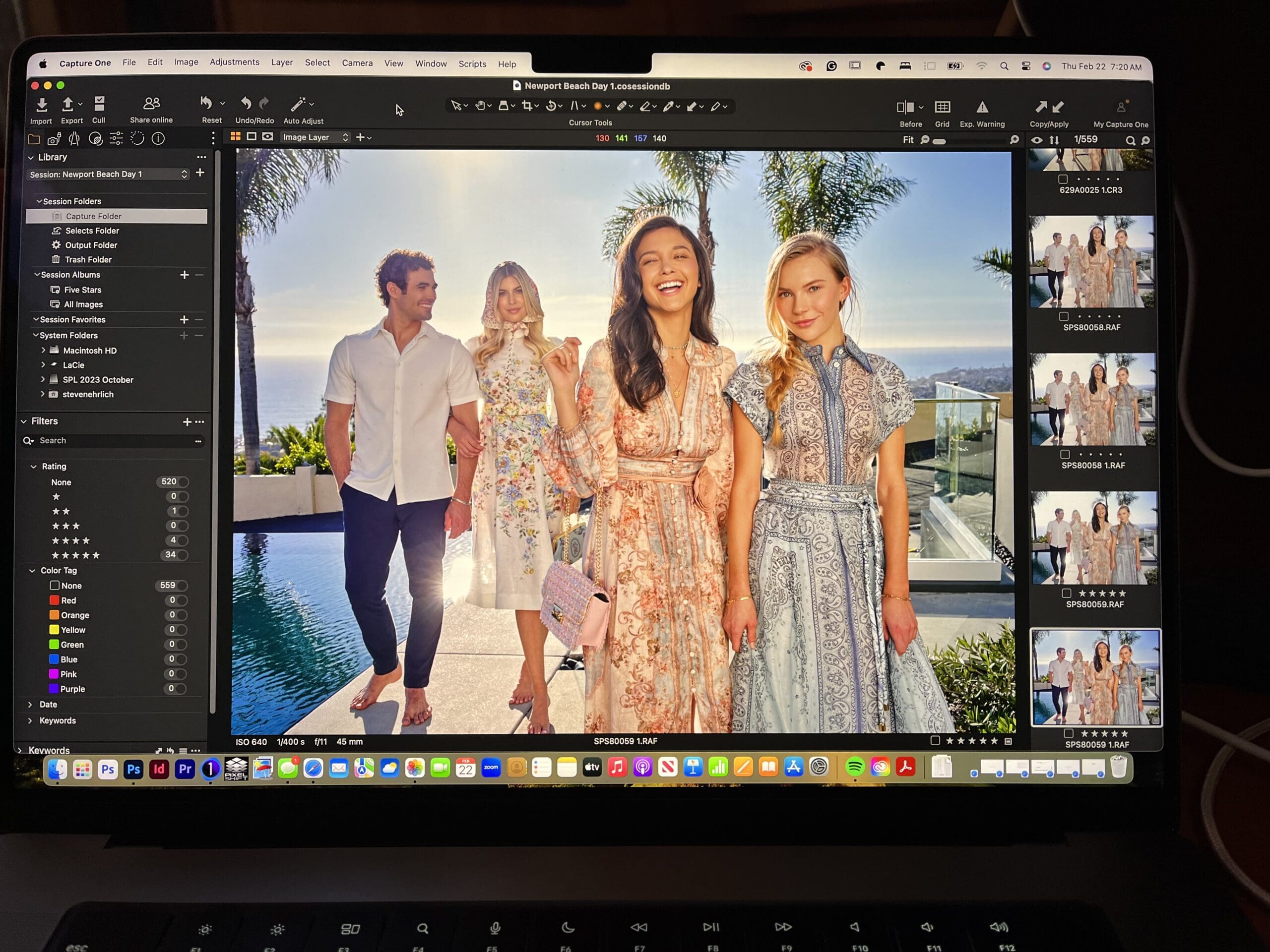
Multi-location / video + stills/models: $9,000 up to $22,000+ — this is a production, not a shoot. Multiple locations, casting, wardrobe, a video crew alongside the photographer.
What you’re actually paying for?
A quote isn’t just “photographer’s day rate.” Depending on scope, it can include:
The photographer’s creative fee
Assistants and a digital tech
Studio rental or location fees
Models, hair, makeup, wardrobe styling
A videographer, if you need motion alongside stills
Retouching and post-production
Usage/licensing — where and how long the images run
A one-person crew and a fifteen-person crew are both valid. The question isn’t which is “better” — it’s which one gets you what you actually need.
Why does crew size change the price?
Working alone, a photographer does everything sequentially — set lights, check wardrobe, direct the shot, review files. Add an assistant, and lighting changes happen while the photographer keeps shooting. Add a digital tech, and someone’s watching every frame come in on a monitor so nothing gets missed. More crew costs more, but it also means more happens per hour — which is often the real trade you’re making, not “expensive vs. cheap.”
If your budget is smaller, you’ll need to adjust your concept.
This is the most useful thing I tell clients: cut the concept before you cut the crew.
If the original plan was three locations, six models, and twelve outfit changes, and the budget doesn’t support that — don’t just remove people and expect the same crew to cover it. Shrink the idea instead. One location done right beats three locations rushed. Eight strong images beat fifteen unfinished ones.
What changes the number most?
Location vs. studio. A studio gives you control and repeatability — good for product work where twenty items need identical lighting. A location gives you context you can’t fake — a hotel needs to look like that hotel, not a set. Locations add transport, weather risk, and sometimes permits.
Models vs. employees. Employees keep the budget down and can be the right call when showing your real team matters. Professional models move faster in front of a camera when a shot needs to be repeated twenty times to get right — that speed can offset the fee.
Stills + video together. Shooting both in the same session is efficient — same location, same wardrobe, same lighting — but a camera can’t do both at once, so the schedule has to account for it.
Usage. A photo on your website for a year costs less to license than the same photo in a national ad campaign. Tell me how and where it’ll run — that’s what shapes the usage fee, not the image itself.
What do I need from you to quote a project?
You don’t need to know what crew you need — that’s my job to figure out. What I need from you:
What you’re advertising and who needs to be in it
Where you want to shoot
Stills, video, or both
Roughly how many finished images/videos you need
Where they’ll be used, and for how long
Your budget, if you have one
That last one matters more than people think. A budget isn’t just a number — it tells me what’s realistic to build. If your concept is bigger than your budget, that’s a normal conversation, not a problem: we figure out what to protect and what to simplify.
Thinking through a project? Reach out and tell me what you’re trying to create — I’ll tell you honestly what it takes to get there.
